
Testosterone and stress hormones play a big role in how people look and feel, especially as they age. A 2013 clinical trial published in the Journal of the International Society of Sports Nutrition found that daily supplementation with a standardized Tongkat Ali root extract significantly lowered the stress hormone cortisol and increased testosterone levels by about 37 percent in adults experiencing moderate stress over four weeks. This hormonal shift was also linked to improvements in tension, anger, and confusion, showing how hormones tie into both physical and mental wellness.
Among the supplements grabbing attention today are Tongkat Ali capsules, marketed as a natural way to support energy, hormones, and overall vitality. Once confined to traditional herbal medicine, Tongkat Ali is now part of a broader beauty and wellness trend that blends hormone balance with looks and confidence. People are asking if feeling better inside can translate to better skin, improved body composition, and even higher self-esteem. The answer is complicated, and honesty demands both evidence and nuance.
Hormones, Stress, and Your Body
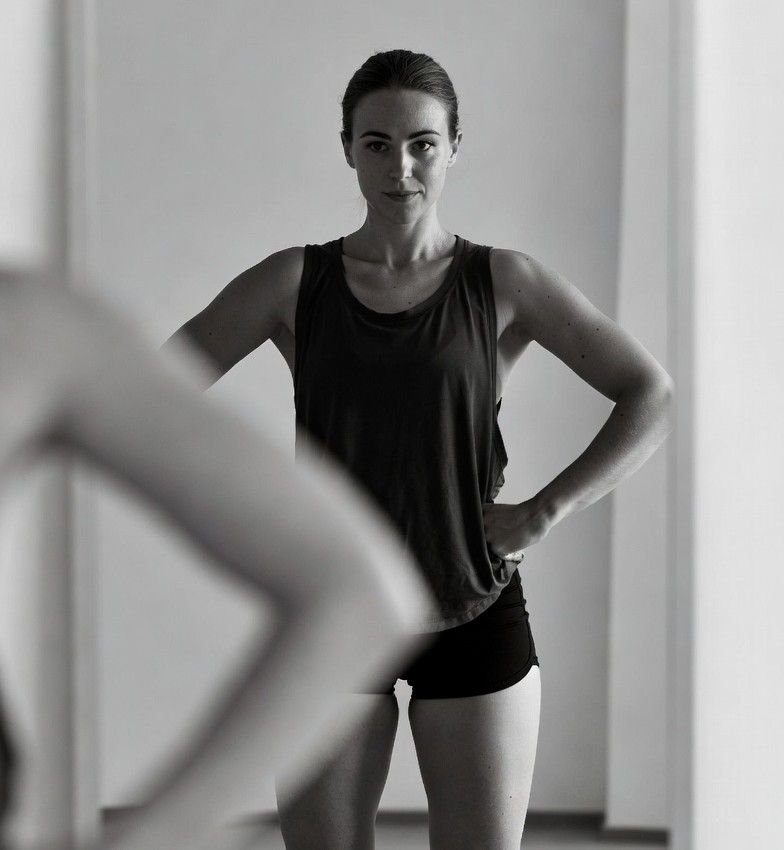
Our bodies function like finely tuned systems where hormones act as regulators. Testosterone supports muscle growth and lean tissue. Cortisol acts as your stress alarm. When cortisol stays elevated for long periods, the body may store more fat, sleep quality can decline, and skin may appear dull or inflamed. Chronic stress has been linked to higher levels of inflammation and can worsen conditions like acne and skin irritation.
Skin often reflects internal stress. Most people can personally attest to how tension shows up before a major event. It is why interventions that reduce stress or help regulate hormones have aesthetic appeal. If your mood and hormones are more stable, you may sleep better, eat more intuitively, and have more energy for workouts. These indirect effects can influence body composition over time, even if the supplement itself is not doing all the work.
What People Report
Tongkat Ali, also known as Eurycoma longifolia, has been used for generations in Southeast Asia for energy and vitality. Modern research suggests it may influence hormone levels, which is one reason some users report feeling stronger or more focused. In the same 2013 study, participants taking standardized extract saw measurable changes in cortisol and testosterone compared to placebo.
User stories are often enthusiastic and personal. A friend once joked that his post workout mirror selfie suddenly looked sharper after a few weeks. Another gym partner claimed his posture improved and he felt less sluggish in the afternoon. These are anecdotes, not clinical proof. Still, confidence shifts are real. When people feel stronger or calmer, they carry themselves differently. Shoulders sit back. Eye contact improves. Even skin can appear brighter when sleep quality rises.
Evidence Versus Expectation
Scientific evidence around Tongkat Ali and body composition remains mixed. Some small studies show modest improvements in testosterone among men with lower baseline levels. Others suggest reduced cortisol in stressed individuals. However, a more recent controlled trial involving exercise trained adults found that four weeks of supplementation did not significantly change body composition, cortisol, or free testosterone compared to placebo.
This is where expectations need balance. Supplements cannot replace strength training, adequate protein, proper sleep, and stress management. If someone begins lifting consistently, drinking more water, and improving diet while taking a supplement, lifestyle changes likely drive most visible results.
The placebo effect also deserves mention. Believing you are taking positive steps can boost motivation. Motivation changes habits. Habits shape bodies. That chain reaction is powerful and very human.
Beauty Meets Wellness Trends
Modern wellness culture blends aesthetics with internal health. Collagen powders sit next to adaptogens. Magnesium is marketed for sleep and glowing skin. Tongkat Ali supplement enthusiasts are entering that same space. The idea is simple. If hormones influence muscle tone, fat storage, and stress, and those influence appearance, then supporting hormonal balance might support how someone feels about their body.
This approach reflects a shift toward holistic self care. People want sustainable energy and emotional stability first. Looking better becomes a possible side benefit. It is a thoughtful trend, though marketing can sometimes promise more than research supports.
Safety and Smart Use
Herbal does not automatically mean harmless. Quality and dosage matter. Most studies use doses between 200 and 400 milligrams daily with relatively few reported side effects, but taking hormones or hormone-modulating supplements without proper medical evaluation can lead to significant problems.
According to an article on why testosterone supplements can be dangerous, people who take testosterone without a medically confirmed deficiency and professional supervision may experience undesirable effects like hormonal imbalance, testicular shrinkage, and other metabolic issues. Anyone with hormone-sensitive conditions or those taking medications should speak with a healthcare professional before starting Tongkat Ali capsules. Look for products that undergo third-party testing and clearly list standardized extract amounts.
Confidence Is Built, Not Bottled
Can Tongkat Ali supplement enhance body composition and confidence? For some individuals, modest hormonal support and stress reduction may indirectly improve workouts, recovery, and self perception. That ripple effect can influence how someone feels in their skin.
Yet the scientific evidence remains limited and sometimes inconsistent. Supplements can support a well designed routine, but they cannot replace consistent habits. Confidence grows from small daily wins. A completed workout. A calmer response to stress. A morning when your skin cooperates. Tongkat Ali supplement use may play a role for some people, but you remain the main driver of your transformation.