
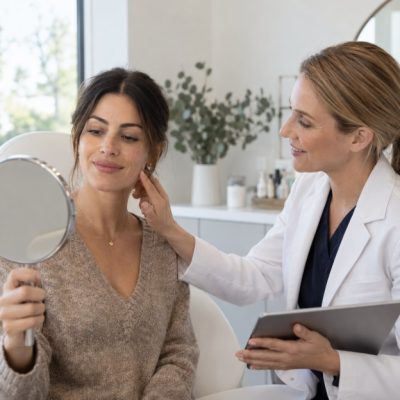
 There is no universal age when someone suddenly needs anti-aging treatments. Skin changes gradually, and the rate of change depends on genetics, sun exposure, lifestyle, skincare habits, and other factors. That is why preventive aesthetics has become a common approach to skin care. Instead of waiting for deeper wrinkles, uneven pigmentation, or significant changes in skin texture, preventive treatments focus on maintaining healthy skin and addressing early signs of aging. Consulting a trusted Malaysia aesthetic clinic Bangsar residents can access may help you understand which treatments are appropriate for your skin. However, starting early does not mean using every available treatment in your twenties. A better approach is to understand what is happening to your skin and choose treatments that fit your age, concerns, and goals.
What Is Preventive Aesthetics?
Preventive aesthetics refers to skincare and cosmetic treatments used to slow or reduce visible signs of aging before they become more noticeable. The goal is generally maintenance rather than dramatic correction. Depending on the person, this might involve daily sunscreen and topical skincare, professional skin treatments, or carefully selected injectable and energy-based procedures.
Skin aging occurs through a combination of intrinsic and external factors. Natural aging affects collagen, elastin, skin thickness, and moisture retention. Meanwhile, ultraviolet radiation, smoking, pollution, and other environmental or lifestyle factors can contribute to premature skin aging. Prevention therefore starts with protecting the skin, not necessarily with cosmetic procedures.
Your 20s: Build the Foundation
For most people, the twenties are less about correcting aging and more about developing habits that protect the skin for the future. Daily sun protection is one of the most important steps. UV exposure contributes to wrinkles, pigmentation changes, and loss of skin elasticity over time. Using broad-spectrum sunscreen regularly can help limit this accumulated damage.
Depending on individual needs, ingredients such as vitamin C or retinoids may also be considered. Retinoids can support skin cell turnover and collagen production, although they are not suitable for everyone and can cause irritation.Professional treatments may help with specific concerns such as acne scars, pigmentation, or uneven texture. But age alone is not a reason to start procedures.
Some people also consider small amounts of neuromodulators such as Botox during their twenties. Sometimes called “preventive Botox,” the idea is to reduce repeated muscle movements that eventually contribute to expression lines. However, not everyone in their twenties needs injectable treatment. A qualified medical professional should assess whether it offers a meaningful benefit.
Your 30s: Address Early Changes
The thirties are often when subtle signs of skin aging become easier to notice. Fine lines may remain visible after facial expressions relax. Skin may also look less even, and changes in texture or firmness can become more apparent.
At this stage, preventive aesthetics may shift toward a combination of protection and early correction.
Consistent sunscreen remains essential. A skincare routine may also include ingredients chosen to address specific concerns, such as retinoids for fine lines and texture or antioxidants for environmental protection.
Professional treatments can also become more relevant. Chemical peels, microneedling, certain laser treatments, and other procedures may address pigmentation, texture, or early signs of collagen loss.
Neuromodulator injections can be considered for expression lines around areas such as the forehead or eyes. But treatment should still be individualized. The goal doesn’t have to be eliminating every line or restricting normal facial expression.
Your 40s and Beyond: Focus on Maintenance and Correction
By the forties, changes in collagen, elasticity, facial volume, and skin hydration may become more noticeable. Previous sun exposure can also show up as pigmentation, rough texture, and more established lines.
Preventive care still matters, but treatment plans may increasingly include corrective procedures.
Depending on individual concerns, options can include neuromodulators, dermal fillers, laser or light-based procedures, microneedling, chemical peels, and treatments intended to improve skin firmness or stimulate collagen.
Combination treatments are sometimes used because facial aging does not happen in only one way. For example, an injectable may address expression lines while a resurfacing procedure targets texture and pigmentation.
More treatment, however, does not automatically produce a better or more natural-looking result. A conservative plan that considers facial anatomy, skin quality, and long-term goals can be more appropriate than trying to correct every visible sign of aging at once.
So, When Should You Actually Start?
The best time to start depends less on your birthday and more on what you are trying to prevent or treat.
Someone with significant sun exposure or early pigmentation may benefit from professional skin care sooner than someone of the same age without those concerns. Another person may develop expression lines earlier because of facial movement patterns or genetics.
There is also an important distinction between skincare and cosmetic procedures. Preventive skincare, especially sun protection, can begin early. Consider injectables, lasers, and other medical aesthetic treatments based on a real concern rather than because you’ve reached a certain age. A consultation with a qualified dermatologist, plastic surgeon, or appropriately licensed aesthetic medical professional can help determine whether treatment is necessary and which options are suitable.
Prevention Does Not Mean Chasing Every Sign of Aging
Preventive aesthetics can help people maintain their skin and manage changes gradually, but aging itself is normal. Aesthetic care doesn’t have to mean looking permanently young. Good prevention starts with the basics: protect your skin from the sun, follow a consistent skincare routine, avoid smoking, and address concerns when they appear. Professional treatments can then be added when there is a clear reason.
There is no perfect age to begin anti-aging treatments. The right starting point is when your skin concerns, personal goals, and the potential benefits of treatment align. A thoughtful, individualized approach can help you make those decisions without treating age itself as something that needs to be fixed.