
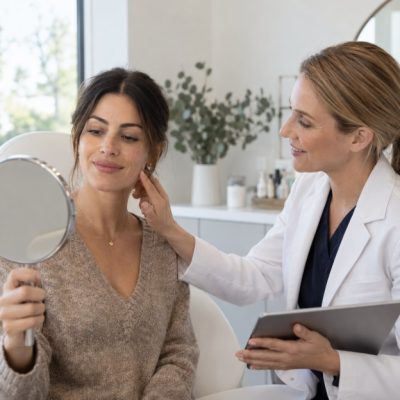
Preventive Aesthetics: When Should You Start Anti-Aging Treatments?

There is no universal age when someone suddenly needs anti-aging treatments. Skin changes gradually, and the rate of change depends on genetics, sun exposure, lifestyle, skincare habits, and other factors. That is why preventive aesthetics has become a common approach to skin care. Instead of waiting for deeper wrinkles, uneven pigmentation, or significant changes in skin texture, preventive treatments focus on maintaining healthy skin and addressing early signs of aging. Consulting a trusted Malaysia aesthetic clinic Bangsar residents can access may help you understand which treatments are appropriate for your skin. However, starting early does not mean using every available treatment in your twenties. A better approach is to understand what is happening to your skin and choose treatments that fit your age, concerns, and goals.

What Is Preventive Aesthetics?

Preventive aesthetics refers to skincare and cosmetic treatments used to slow or reduce visible signs of aging before they become more noticeable. The goal is generally maintenance rather than dramatic correction. Depending on the person, this might involve daily sunscreen and topical skincare, professional skin treatments, or carefully selected injectable and energy-based procedures.
Skin aging occurs through a combination of intrinsic and external factors. Natural aging affects collagen, elastin, skin thickness, and moisture retention. Meanwhile, ultraviolet radiation, smoking, pollution, and other environmental or lifestyle factors can contribute to premature skin aging. Prevention therefore starts with protecting the skin, not necessarily with cosmetic procedures.

Your 20s: Build the Foundation

For most people, the twenties are less about correcting aging and more about developing habits that protect the skin for the future. Daily sun protection is one of the most important steps. UV exposure contributes to wrinkles, pigmentation changes, and loss of skin elasticity over time. Using broad-spectrum sunscreen regularly can help limit this accumulated damage.
Depending on individual needs, ingredients such as vitamin C or retinoids may also be considered. Retinoids can support skin cell turnover and collagen production, although they are not suitable for everyone and can cause irritation.Professional treatments may help with specific concerns such as acne scars, pigmentation, or uneven texture. But age alone is not a reason to start procedures.
Some people also consider small amounts of neuromodulators such as Botox during their twenties. Sometimes called “preventive Botox,” the idea is to reduce repeated muscle movements that eventually contribute to expression lines. However, not everyone in their twenties needs injectable treatment. A qualified medical professional should assess whether it offers a meaningful benefit.

Your 30s: Address Early Changes

The thirties are often when subtle signs of skin aging become easier to notice. Fine lines may remain visible after facial expressions relax. Skin may also look less even, and changes in texture or firmness can become more apparent.
At this stage, preventive aesthetics may shift toward a combination of protection and early correction.
Consistent sunscreen remains essential. A skincare routine may also include ingredients chosen to address specific concerns, such as retinoids for fine lines and texture or antioxidants for environmental protection.
Professional treatments can also become more relevant. Chemical peels, microneedling, certain laser treatments, and other procedures may address pigmentation, texture, or early signs of collagen loss.
Neuromodulator injections can be considered for expression lines around areas such as the forehead or eyes. But treatment should still be individualized. The goal doesn’t have to be eliminating every line or restricting normal facial expression.

Your 40s and Beyond: Focus on Maintenance and Correction

By the forties, changes in collagen, elasticity, facial volume, and skin hydration may become more noticeable. Previous sun exposure can also show up as pigmentation, rough texture, and more established lines.
Preventive care still matters, but treatment plans may increasingly include corrective procedures.
Depending on individual concerns, options can include neuromodulators, dermal fillers, laser or light-based procedures, microneedling, chemical peels, and treatments intended to improve skin firmness or stimulate collagen.
Combination treatments are sometimes used because facial aging does not happen in only one way. For example, an injectable may address expression lines while a resurfacing procedure targets texture and pigmentation.
More treatment, however, does not automatically produce a better or more natural-looking result. A conservative plan that considers facial anatomy, skin quality, and long-term goals can be more appropriate than trying to correct every visible sign of aging at once.

So, When Should You Actually Start?

The best time to start depends less on your birthday and more on what you are trying to prevent or treat.
Someone with significant sun exposure or early pigmentation may benefit from professional skin care sooner than someone of the same age without those concerns. Another person may develop expression lines earlier because of facial movement patterns or genetics.
There is also an important distinction between skincare and cosmetic procedures. Preventive skincare, especially sun protection, can begin early. Consider injectables, lasers, and other medical aesthetic treatments based on a real concern rather than because you’ve reached a certain age. A consultation with a qualified dermatologist, plastic surgeon, or appropriately licensed aesthetic medical professional can help determine whether treatment is necessary and which options are suitable.

Prevention Does Not Mean Chasing Every Sign of Aging

Preventive aesthetics can help people maintain their skin and manage changes gradually, but aging itself is normal. Aesthetic care doesn’t have to mean looking permanently young. Good prevention starts with the basics: protect your skin from the sun, follow a consistent skincare routine, avoid smoking, and address concerns when they appear. Professional treatments can then be added when there is a clear reason.
There is no perfect age to begin anti-aging treatments. The right starting point is when your skin concerns, personal goals, and the potential benefits of treatment align. A thoughtful, individualized approach can help you make those decisions without treating age itself as something that needs to be fixed.
What Consumers Look for in Modern Aesthetic Clinics: Quality, Credentials, and Patient Experience

The American Society of Plastic Surgeons reports that demand for minimally invasive cosmetic procedures has grown significantly over the past decade, reflecting a broader interest in appearance-related wellness and preventive self-care. This growth has expanded the aesthetic industry beyond traditional cosmetic treatments, creating a marketplace where consumers are presented with a wide range of providers, technologies, and service models.

As interest in aesthetic treatments increases, patients often spend considerable time researching clinics before scheduling appointments. Many consumers review educational resources, provider credentials, patient feedback, and examples of award-winning care in Ashburn VA as part of their broader evaluation process. While recognition and branding may attract attention, informed decision-making typically involves a much deeper assessment of quality, safety, and overall patient experience.

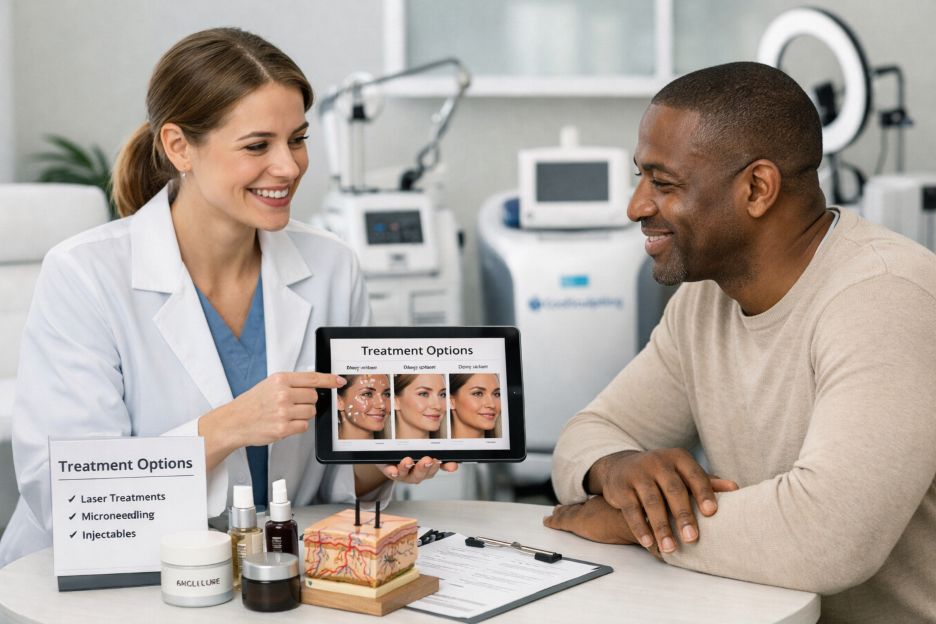
healthcare professional is thoughtfully discussing treatment options

Rising Demand for Aesthetic and Wellness Services

Aesthetic medicine has evolved considerably in recent years. Procedures once associated primarily with cosmetic enhancement are increasingly discussed within larger wellness conversations. Treatments focused on skin health, rejuvenation, preventive aging, and personal confidence now appeal to a diverse range of age groups.

Research published by the International Society of Aesthetic Plastic Surgery (ISAPS) indicates continued growth in both surgical and non-surgical procedures worldwide. Factors contributing to this trend include increased public awareness, advances in technology, shorter recovery times, and broader access to treatment options.

Consumers today are generally more informed than previous generations. Online reviews, professional directories, educational articles, and social media platforms provide access to information that allows patients to compare providers before making decisions. However, the abundance of information can also make provider selection more complex.

Factors Patients Evaluate When Selecting Providers

When considering aesthetic treatments, consumers often evaluate multiple factors simultaneously rather than focusing on a single characteristic.

One of the most important considerations is the provider’s qualifications. Patients commonly seek professionals with relevant medical training, certifications, and experience performing specific procedures. Specialized education helps demonstrate that providers possess the knowledge required to assess risks, recommend appropriate treatments, and respond to potential complications.

Facility standards also influence decision-making. A clean, organized environment can communicate professionalism and attention to patient safety. Many consumers pay close attention to the appearance of treatment rooms, sanitation practices, and overall clinic operations during initial visits.

Technology is another area of interest. While advanced equipment may offer certain advantages, experts note that technology should be viewed as one component of care rather than the sole indicator of quality. Effective outcomes depend on appropriate patient selection, proper technique, and realistic treatment planning.

Cost remains a consideration as well. However, patients increasingly recognize that the lowest price does not always represent the best value. Many consumers compare treatment plans, consultation quality, provider expertise, and safety standards alongside pricing information.

The Importance of Credentials, Safety Protocols, and Consultation Processes

Credentials often serve as an important starting point when evaluating providers. Medical licensing, professional memberships, continuing education, and specialized certifications can help demonstrate commitment to professional standards.

The U.S. Food and Drug Administration (FDA) emphasizes that aesthetic treatments involve medical considerations and should be approached with appropriate attention to safety. Consumers are encouraged to verify qualifications and understand the benefits and risks associated with any procedure they are considering.

Safety protocols are equally important. Reputable clinics typically maintain clear procedures related to patient screening, infection prevention, equipment maintenance, informed consent, and emergency preparedness. These systems may not be immediately visible to patients, but they play a critical role in protecting health and supporting treatment outcomes.

The consultation process often reveals valuable information about a clinic’s approach to care. High-quality consultations generally involve:

  • A thorough discussion of patient goals and concerns.
  • Review of medical history and relevant health factors.
  • Explanation of treatment options and alternatives.
  • Discussion of potential risks and expected outcomes.
  • Clear guidance regarding recovery and follow-up care.

Experts from the American Academy of Dermatology note that realistic expectations are essential for patient satisfaction. Consultations that prioritize education rather than sales pressure often help patients make more informed decisions.

How Reputation and Patient Experience Influence Decision-Making

Reputation remains a significant factor in healthcare-related decisions. Online reviews, referrals from friends and family, and testimonials frequently shape consumer perceptions before an appointment is ever scheduled.

However, patient experience extends far beyond treatment results. Many consumers evaluate the entire journey, including appointment scheduling, communication quality, staff professionalism, waiting times, and post-treatment support.

Research published by the Beryl Institute, an organization focused on patient experience improvement, suggests that individuals often associate positive healthcare experiences with clear communication, respect, empathy, and responsiveness. These factors can influence overall satisfaction even when clinical outcomes are similar.

Trust also plays an important role. Patients frequently seek providers who listen carefully, answer questions honestly, and present balanced information about both benefits and limitations. Transparency can strengthen confidence and support long-term provider relationships.

Understanding Industry Recognition and Professional Reputation

The concept of excellence in aesthetic care is often reflected through awards, certifications, peer recognition, and positive patient feedback. While these indicators can provide useful information, consumers should evaluate them within a broader context.

Industry awards may highlight customer service, innovation, or community reputation. However, awards alone do not necessarily guarantee clinical quality. Similarly, positive online reviews can provide insight into patient experiences, but individual reviews should be considered alongside other objective factors.

Consumers benefit from examining multiple indicators simultaneously. Professional credentials, consultation quality, safety standards, treatment transparency, and patient education often provide a more complete picture than any single form of recognition.

Within the broader aesthetic industry, the discussion surrounding recognized providers and highly rated wellness facilities illustrates an important principle: meaningful quality assessment requires a combination of objective verification and personal evaluation.

Practical Guidance for Evaluating Treatment Providers Objectively

Consumers can improve their decision-making process by approaching provider selection systematically.

  • Verify professional licenses and certifications.
  • Research experience related to specific treatments.
  • Schedule consultations with more than one provider when appropriate.
  • Ask questions about safety protocols and follow-up care.
  • Review patient feedback while maintaining realistic expectations.
  • Consider communication style and overall comfort level.
  • Evaluate treatment recommendations carefully rather than making decisions based solely on promotions or pricing.

Taking time to gather information can help patients distinguish between marketing claims and evidence-based care. Objective evaluation becomes especially important when considering procedures that involve significant financial investment or potential health risks. For individuals exploring surgical options, resources that explain how to choose a cosmetic surgeon can provide additional guidance on evaluating qualifications, experience, consultation practices, and overall treatment suitability.

Conclusion

The growing popularity of aesthetic and wellness services has created more choices for consumers than ever before. While advanced technology, positive reviews, and professional recognition may influence initial impressions, long-term satisfaction often depends on deeper factors such as provider qualifications, safety practices, consultation quality, and patient-centered care.

Consumers who approach provider selection thoughtfully are better positioned to make informed decisions that align with their goals and expectations. By focusing on credentials, transparent communication, established safety standards, and overall treatment experience, individuals can evaluate aesthetic clinics more objectively and navigate the evolving beauty and wellness landscape with greater confidence.

Our website uses no cookies however, we collect some basic data. Read more at our Privacy Policy.
𐌢