
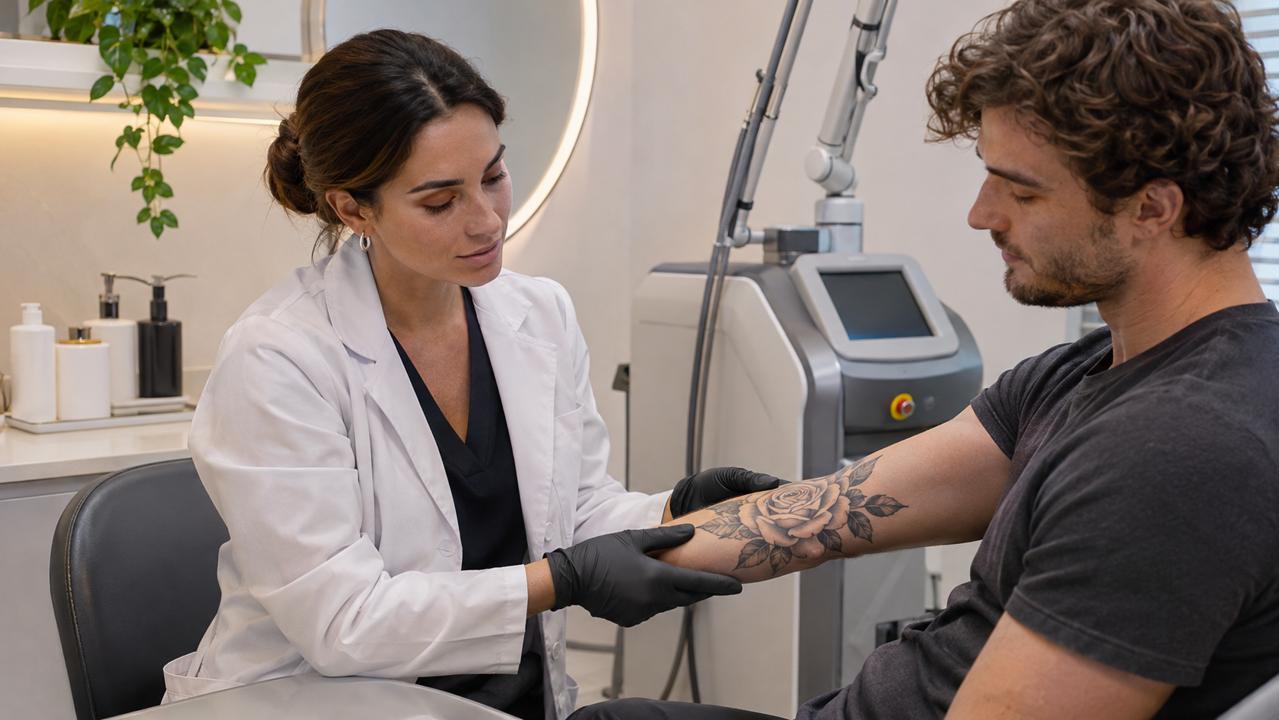
Laser tattoo removal uses concentrated light energy to break down tattoo pigments gradually. However, choosing a treatment provider can be challenging. Clinics differ in practitioner qualifications, equipment, pricing, and treatment procedures. The US Food and Drug Administration (FDA) explains that successful removal often requires multiple sessions, and complete pigment removal is not always possible.
Whether you are researching a tattoo removal clinic in Fortitude Valley or comparing providers elsewhere, understanding what makes a clinic reliable is essential. Looking beyond advertised prices and customer ratings can help you make a more informed decision about your treatment.
Why Choosing the Right Clinic Matters
Laser tattoo removal carries certain risks, particularly when practitioners use inappropriate equipment or treatment settings. The American Academy of Dermatology (AAD) identifies scarring, burns, infections, and changes in skin pigmentation as potential complications.
Some temporary redness and swelling may occur following treatment. However, more serious complications require medical attention. Individuals with darker skin tones may also face a greater risk of pigmentation changes when unsuitable laser wavelengths are used.
A thorough assessment, appropriate equipment, and qualified practitioners can help reduce these risks. Consumers should prioritise safety rather than choosing a clinic based solely on convenience or affordability.
Step 1: Verify Practitioner Qualifications and Licensing
Professional qualifications should be among the first factors consumers examine. Laser tattoo removal requires knowledge of skin characteristics, laser operation, and potential treatment complications.
Under Queensland’s radiation safety requirements, businesses possessing Class 4 cosmetic lasers generally require a possession licence. Practitioners providing tattoo removal services must also hold the appropriate use licence, subject to applicable legal exemptions.
Queensland Health advises consumers to check both business and practitioner licences before accepting treatment. Its public register allows consumers to verify licensed laser operators and owners.
When comparing providers, ask about:
- Practitioner training and tattoo removal experience.
- Current laser use and possession licences.
- Medical supervision arrangements and applicable licence conditions.
- Protective eyewear and laser safety procedures.
- Procedures for managing treatment complications.
A clinic should be willing to answer these questions before treatment begins.
Step 2: Review Available Laser Technologies
Different tattoo pigments respond to different wavelengths of light. Therefore, a single laser configuration may not be suitable for every tattoo.
Research published in the Journal of the American Academy of Dermatology supports the effectiveness of Q-switched and picosecond lasers. However, treatment performance varies depending on pigment colour and laser characteristics.
Common Laser Technologies
- Q-switched Nd:YAG lasers: Commonly used for black and dark blue pigments, with additional wavelengths available for certain warmer colours.
- Alexandrite lasers: Can help target certain green, blue, and dark pigments.
- Picosecond lasers: Deliver extremely short energy pulses and may offer advantages when treating certain resistant pigments.
Newer technology does not automatically guarantee better results. Understanding the different cosmetic and medical applications of laser technology can help consumers recognise why equipment selection matters. Different procedures require specific wavelengths and energy settings. Ask practitioners why their equipment is suitable for your particular tattoo and skin type.
Step 3: Understand Consultation and Skin Assessment Procedures
A detailed consultation helps determine whether laser treatment is appropriate. It also allows practitioners to establish realistic expectations before starting the removal process.
Clinical guidance published in StatPearls highlights several factors that influence treatment planning. These include skin pigmentation, tattoo colours, ink depth, and previous treatment responses.
A consultation should cover the following areas:
- Tattoo size, age, location, and colour.
- Skin tone and existing skin conditions.
- Previous tattoo removal treatments.
- Medical history and current medications.
- Desired results, including complete removal or fading for a cover-up.
Practitioners may also recommend a small patch test to assess how the skin and pigments respond. Be cautious of providers who promise complete removal without conducting a proper assessment.
Step 4: Compare Treatment Costs and Estimated Sessions
Session prices provide only part of the financial picture. A clinic offering lower individual treatment fees may still result in higher overall expenses if additional appointments become necessary.
The FDA explains that laser tattoo removal requires several treatments, with recovery periods between appointments. Treatment duration depends on individual circumstances, including pigment characteristics.
Request a written estimate covering:
- Consultation and assessment fees.
- Expected cost per treatment.
- Estimated number of sessions.
- Additional aftercare expenses.
- Follow-up appointment charges.
Remember that session estimates are predictions rather than guarantees. Compare payment arrangements and cancellation policies before committing to a treatment package.
Step 5: Assess Aftercare Guidance and Follow-Up Support
Proper aftercare supports skin recovery and helps reduce avoidable complications. Clinics should provide written instructions that explain how to care for the treated area.
The American Academy of Dermatology emphasises following professional aftercare instructions and protecting treated skin from sunlight.
Ask your practitioner about cleaning the area, managing discomfort, protecting healing skin, and recognising warning signs. Increasing pain, spreading redness, or signs of infection warrant prompt medical attention.
Find out whether the clinic offers follow-up assessments. These appointments allow practitioners to review healing, monitor pigment fading, and adjust future treatments when necessary.
Applying These Criteria to Local Clinics
Consumers researching Brisbane providers can apply these steps when reviewing businesses such as Think Again Laser Clinic in Fortitude Valley. Its website describes picosecond laser technology, practitioner training, consultation services, and estimated treatment timelines.
The website also publishes a Queensland radiation possession licence number. Consumers should independently verify its validity and check individual practitioner licences through Queensland Health’s public register.
During consultations, compare the proposed treatment plan with information from other providers. Ask about equipment suitability, medical supervision, potential complications, and overall expenses. Published testimonials and photographs may provide useful context, but they cannot predict individual treatment outcomes.
Making an Informed Treatment Decision
Choosing a laser tattoo removal provider requires careful consideration of professional credentials, equipment, safety procedures, and treatment expectations. Affordable pricing and convenient appointments are important, but they should never outweigh patient safety.
Take time to compare providers, verify qualifications, and attend consultations before making a commitment. A transparent treatment plan and realistic expectations can help consumers approach tattoo removal with greater confidence while prioritising long-term skin health.